https://www.youtube.com/watch?v=CMuK_Rd8lHw
HEALTH
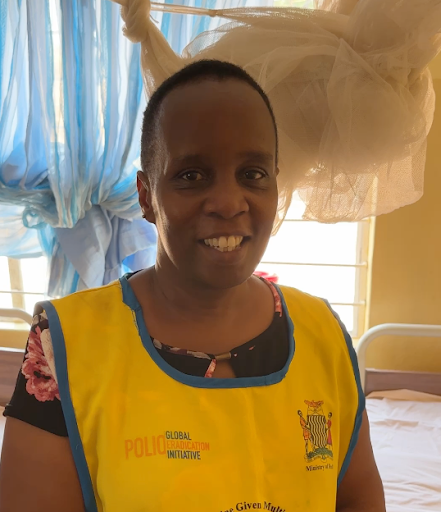
Project leader
Madrine Phiri
The health challenges in a refugee camp are significant, and many live under difficult conditions with limited access to clean water, food, medicine, and healthcare. Even minor infections or injuries can quickly become serious, and diseases that are normally easy to treat can become life-threatening. Pregnant women and young children are particularly vulnerable, and many suffer from malnutrition or untreated illness.
Even the simplest medical procedures can have a huge impact. Cleaning a wound, treating an infection in time, providing access to hygiene, or monitoring pregnancies and childhood illnesses can literally save lives. Every treatment, every helping hand, and every check-up helps protect individuals, strengthen families, and create security in the local community.
Small, targeted initiatives have a big impact when carried out with care and love — clearly showing how concrete actions can make a difference in the daily lives of those who need it most.
What we offer
We give medical treatment in different areas, such as:
-
Testing and treatment of HIV, malaria, tuberculoses and other common diseases
-
Medicines and follow-up care as needed
-
Pregnancy care, childbirth assistance, and nutrition programs for infants.
-
Separate wards for women, children and men.
Who we are helping
-
Refugees living in areas in close proximity to the clinic
-
Patients from other areas of the Refugee camp
-
Local Zambians seeking free healthcare
Ambulance services
-
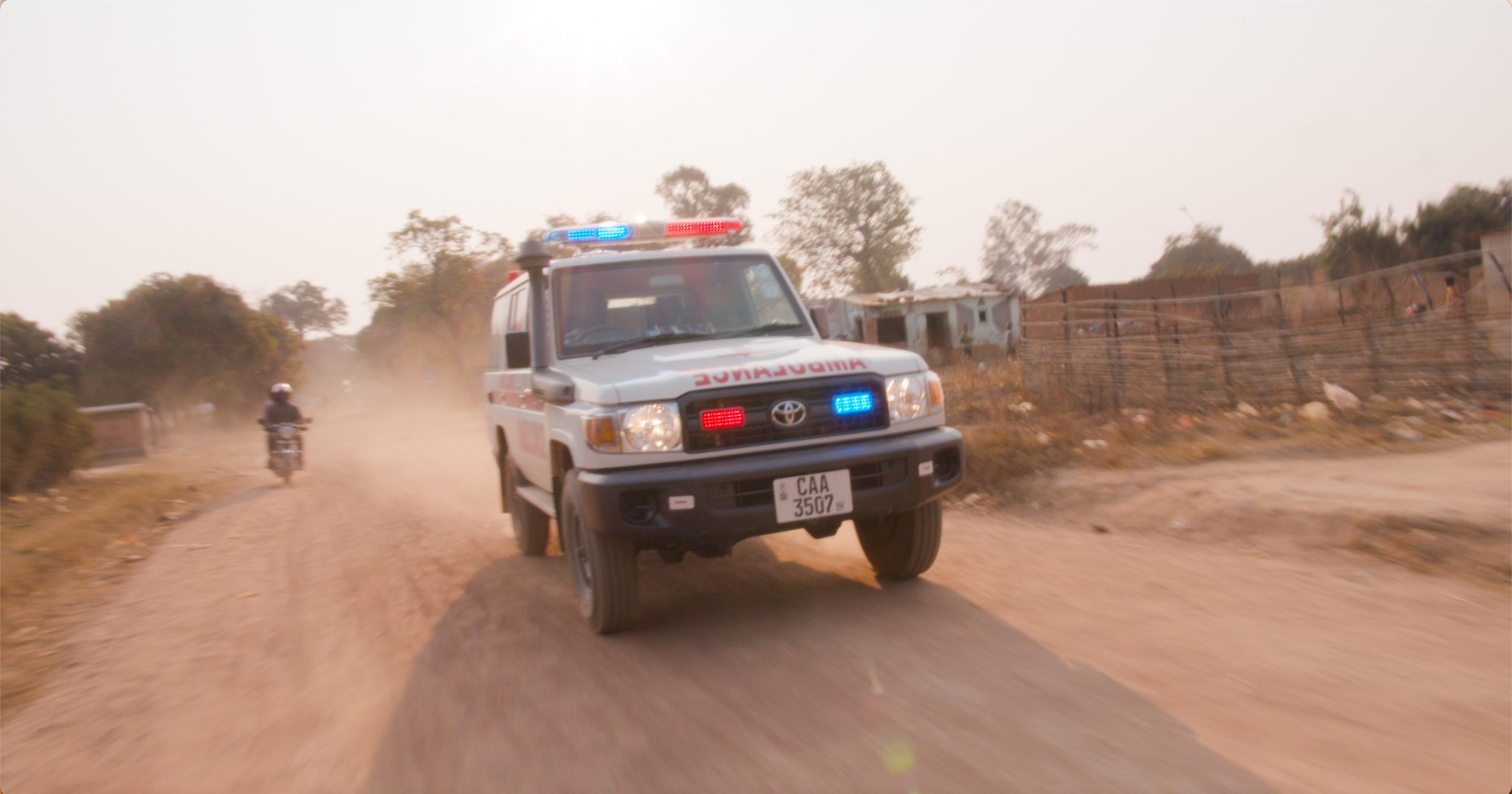
Provides rapid transport of patients to the Hope Clinic
-
Transports severe cases to Lumwana General Hospital when necessary treatment cannot be provided at the clinic
-
Ambulance personnel can begin treatment on-site, such as stabilizing patients, treating infections, or providing life-saving interventions.
-
Especially important for children, the elderly, and people with chronic illnesses who would otherwise have limited access to emergency care.
-
People know that help is available when unexpected situations arise — a tangible expression of care and neighborly lov
Care center
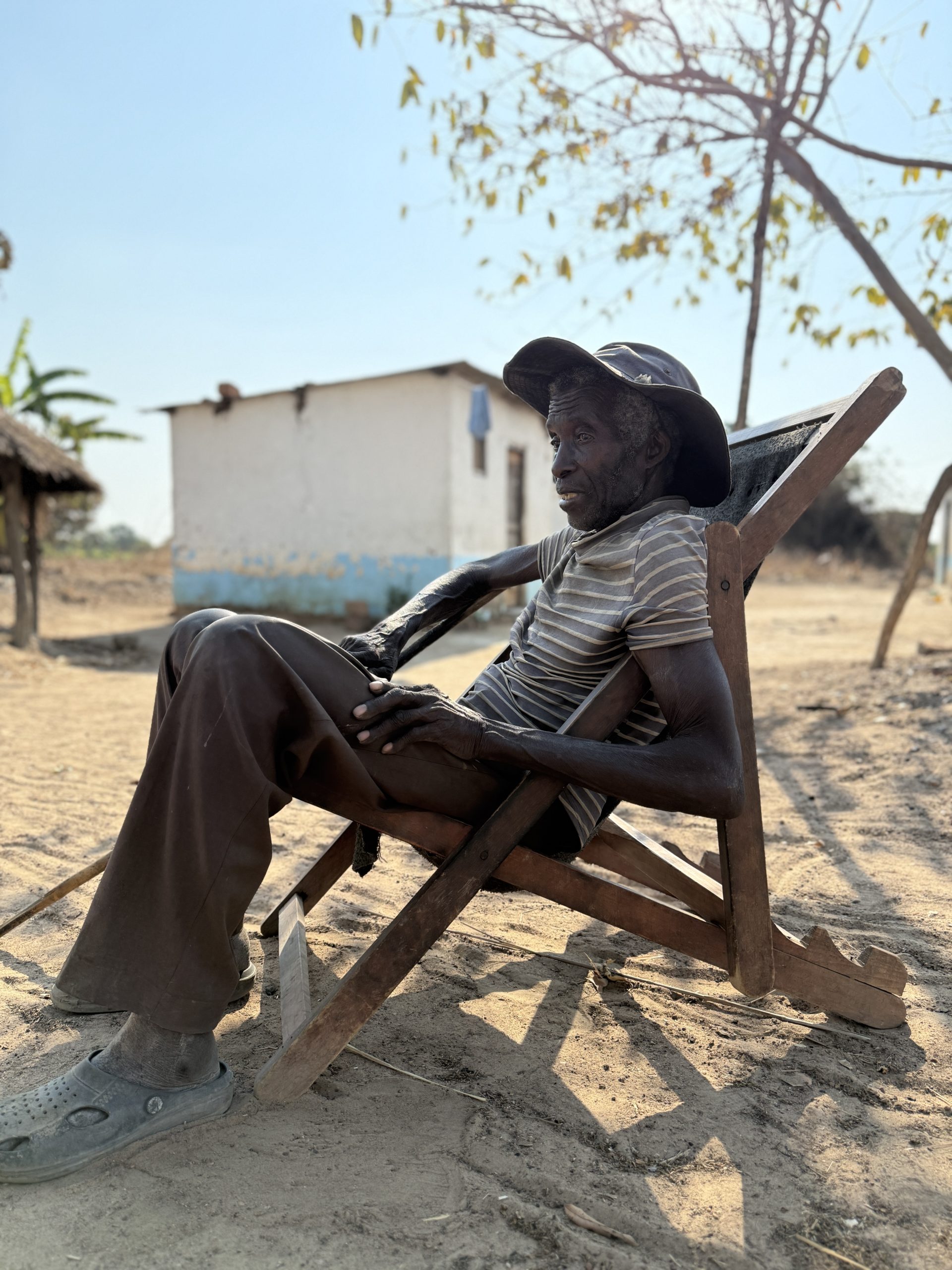
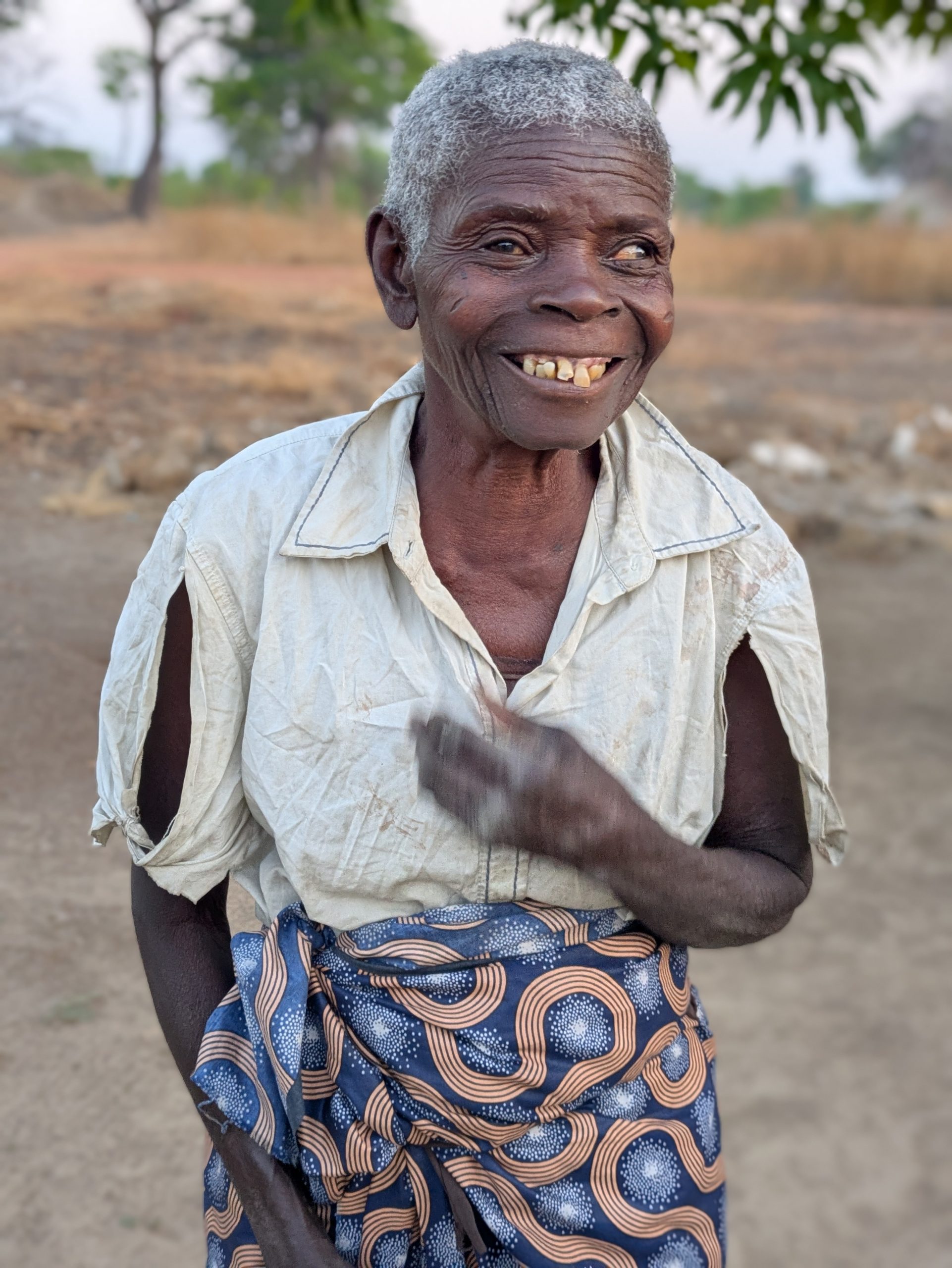
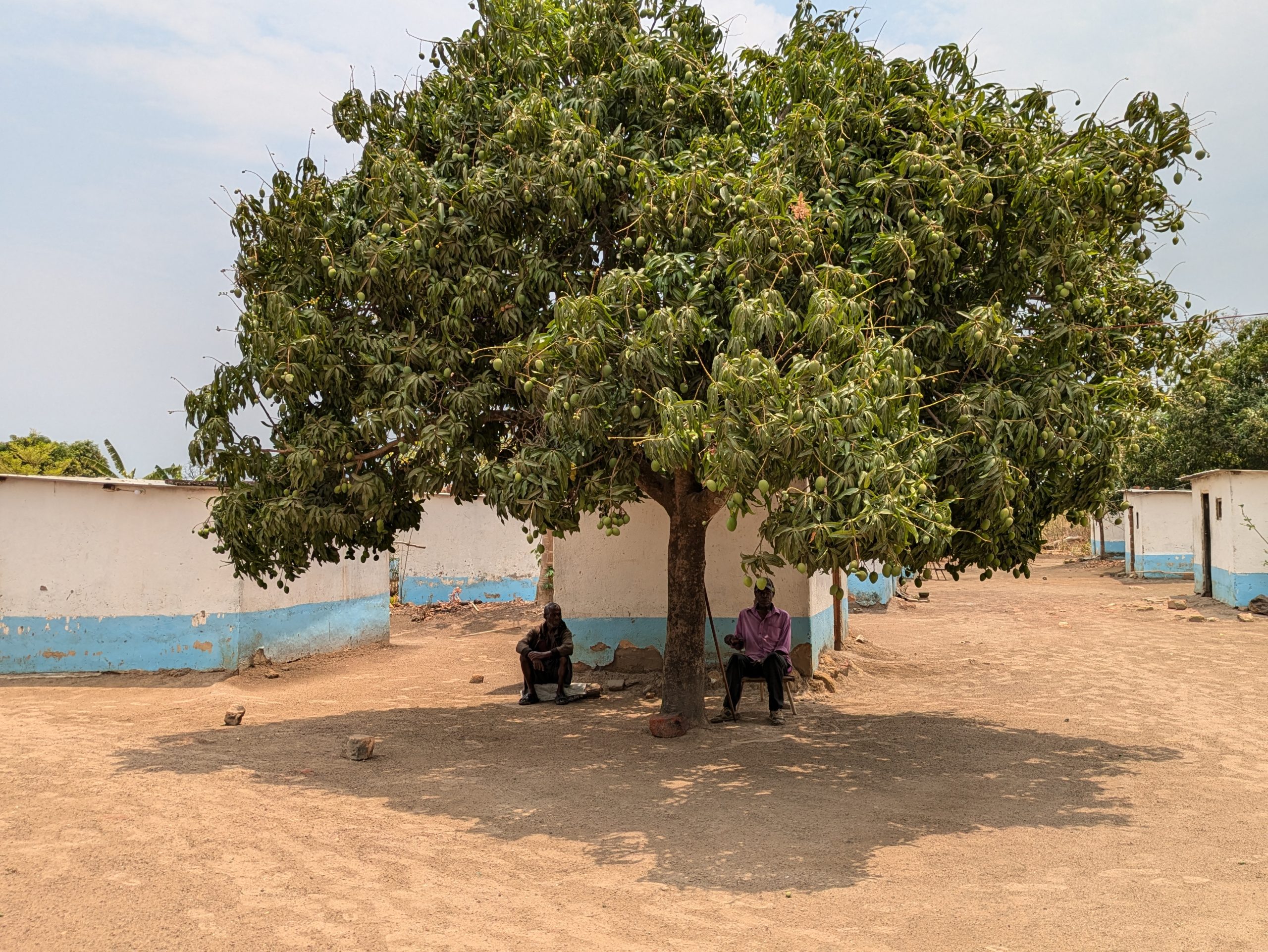
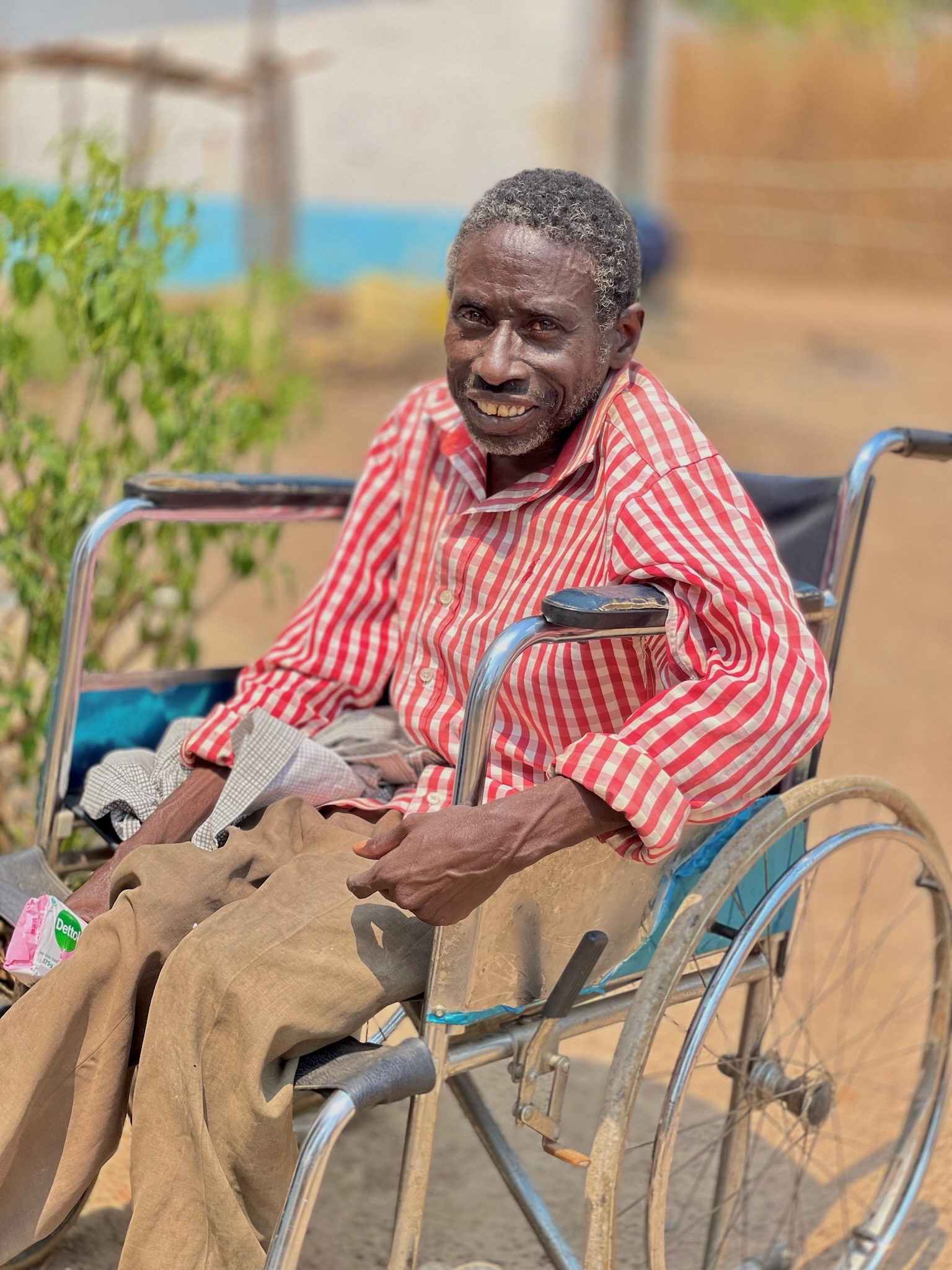
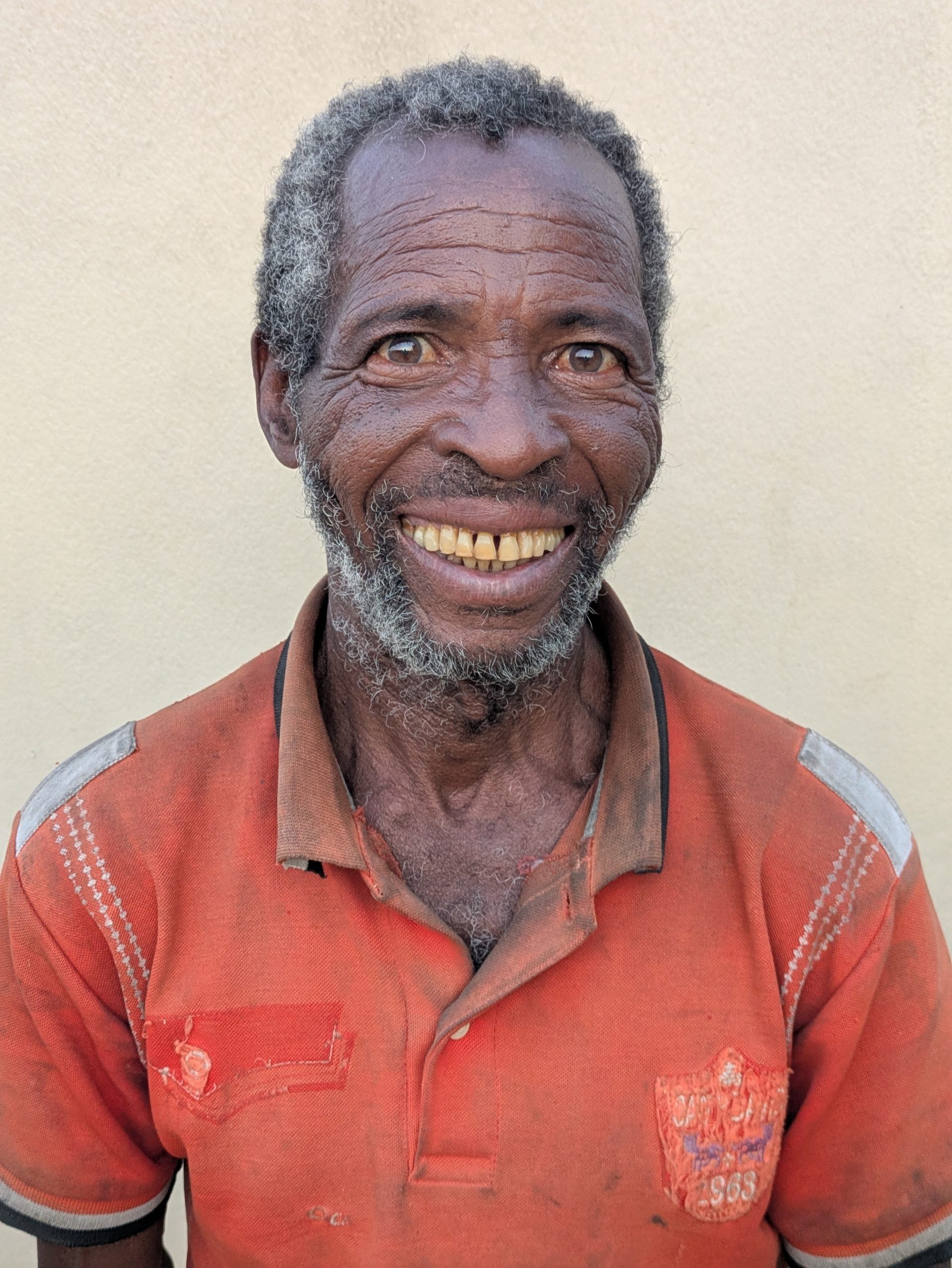
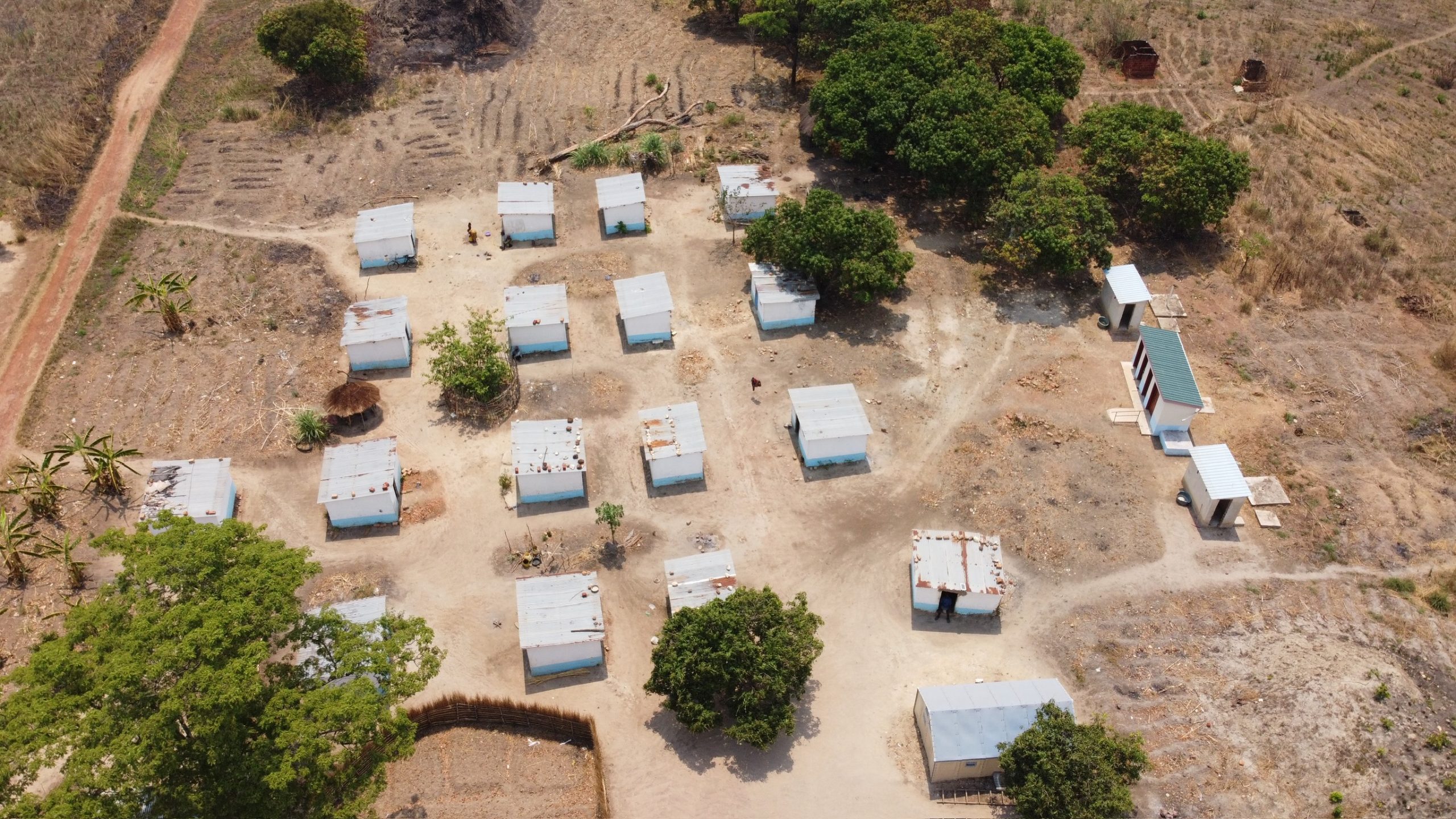
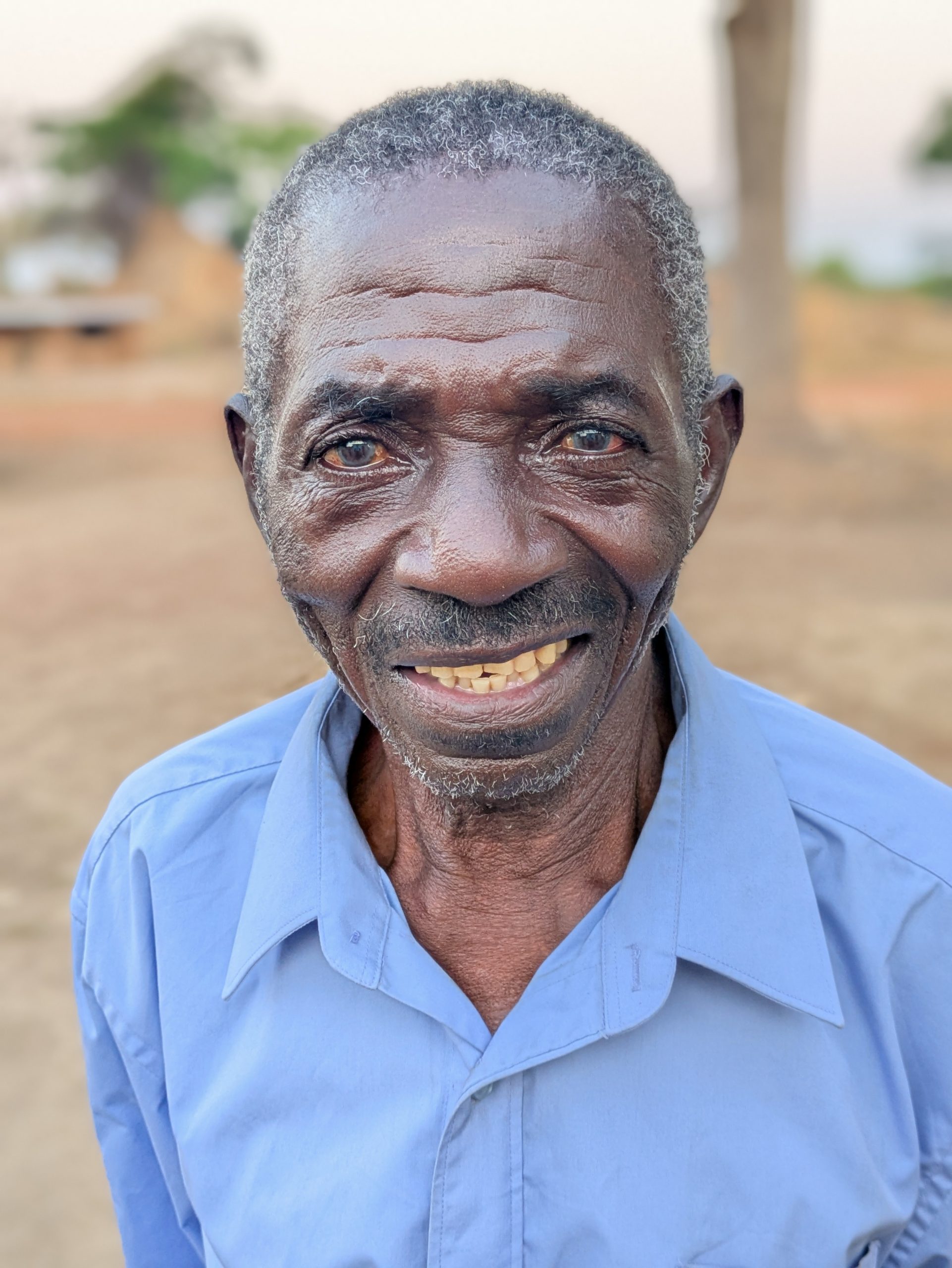
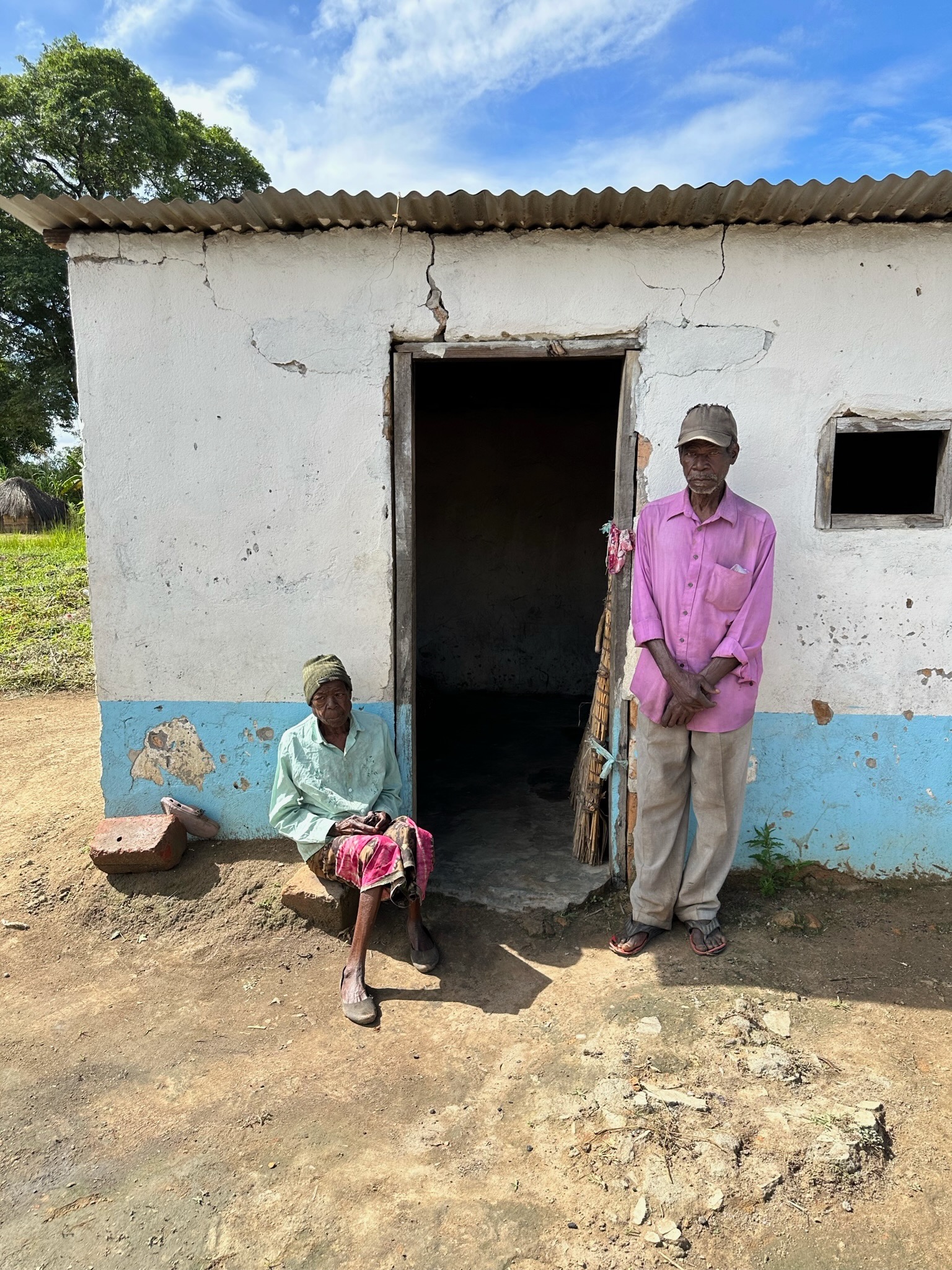
Our care center is an important and heartwarming project in Meheba. The center was taken over from the UN as Transit Center 44, and today 25 people live there, receiving care, security, and community. Many of them have no family to look after them, and without a place like this, they would often be completely alone — without the help and support they need.
Our project was initially operated as an elderly home, but in 2025 it was further developed into a care center for people of all ages. This change was driven by a much broader need for safety, support, and daily care across different age groups. To meet this need, the project is now being expanded with new housing units. In the future, these will provide space for both individuals and families who need a nurturing environment and assistance in navigating life’s challenges.
The project as a whole is about honoring and caring for people who would face great challenges in society on their own. At the center, they have access to food, medical care, and a community that sees them and gives them dignity. Here, they receive not only care but also warmth, conversation, and security — a home where they know they are valued and loved.
The care center still continues to provide support for the elderly in Meheba, reminding us that every stage of life has value, and that God’s love applies just as strongly to those who have lived long as to those who are just beginning.