
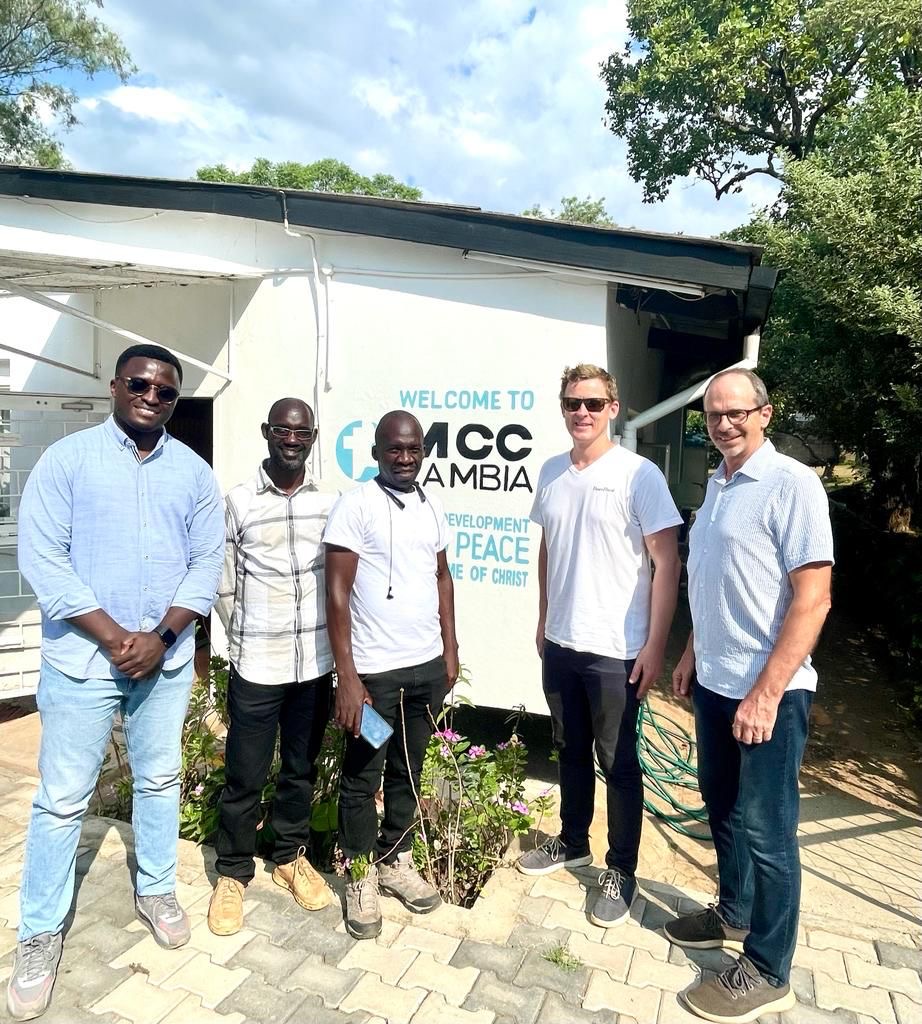
In Meheba refugee camp in Zambia, thousands of people live who have fled war and conflict in several countries. Many arrived with nothing but the clothes they were wearing. Homes, belongings, and livelihoods were left behind. Most families try to manage through small-scale farming. But the soil is nutrient-poor, and fertilizer and other agricultural inputs are too expensive. The result is low yields, deep poverty, and a daily struggle to obtain enough food, hygiene supplies, and other basic necessities.
Since 2023, Brave Heart Foundation has received support from Mennonite Central Committee to provide emergency assistance to the most vulnerable in the camp. Over the past three years, the project has resulted in more than 41,000 person-to-person distributions of food, blankets, school supplies, hygiene items, and infant care supplies.
But it is the stories behind the deliveries that show what the partnership has truly meant.
"This kit saved us."
Anna, a mother of three children, is one of the recipients.
She was struggling to meet her family’s most basic needs when she received support through the program. She was given canned meat and a comprehensive hygiene and emergency kit that included soap, towels, toothbrushes, nail clippers, shampoo, sanitary pads, and a bucket.
Anna explains that the hygiene items improved the conditions in their home, and that the bucket made it possible to store clean water. Through the assistance, she says that her children regained their strength and their dignity, and that the hygiene supplies have helped prevent further illness in the household. This gave Anna a sense of peace and stability, allowing her to focus on rebuilding their lives.
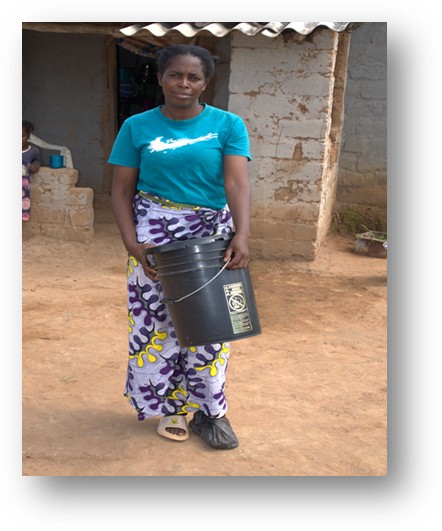
“This kit saved us. My children are healthy again, and I have hope for the future.”
At the same time, while Anna is grateful for the support, she expresses a wish shared by many in the camp: she hopes that in the future they can receive training and opportunities to earn their own income, so that they will not have to depend on such assistance in order to live well.
Brave Heart Foundation has a history of supporting entrepreneurship and hopes to expand this work in the future.
Challenges with Delivering Support in Meheba
Logistics can be a major challenge when assistance crosses national borders, and other difficulties may arise. When the most recent container with blankets and school supplies was delayed until August, the decision was made to postpone distribution in order to ensure fairness and dignity. No one was to receive a partial package while others received everything.
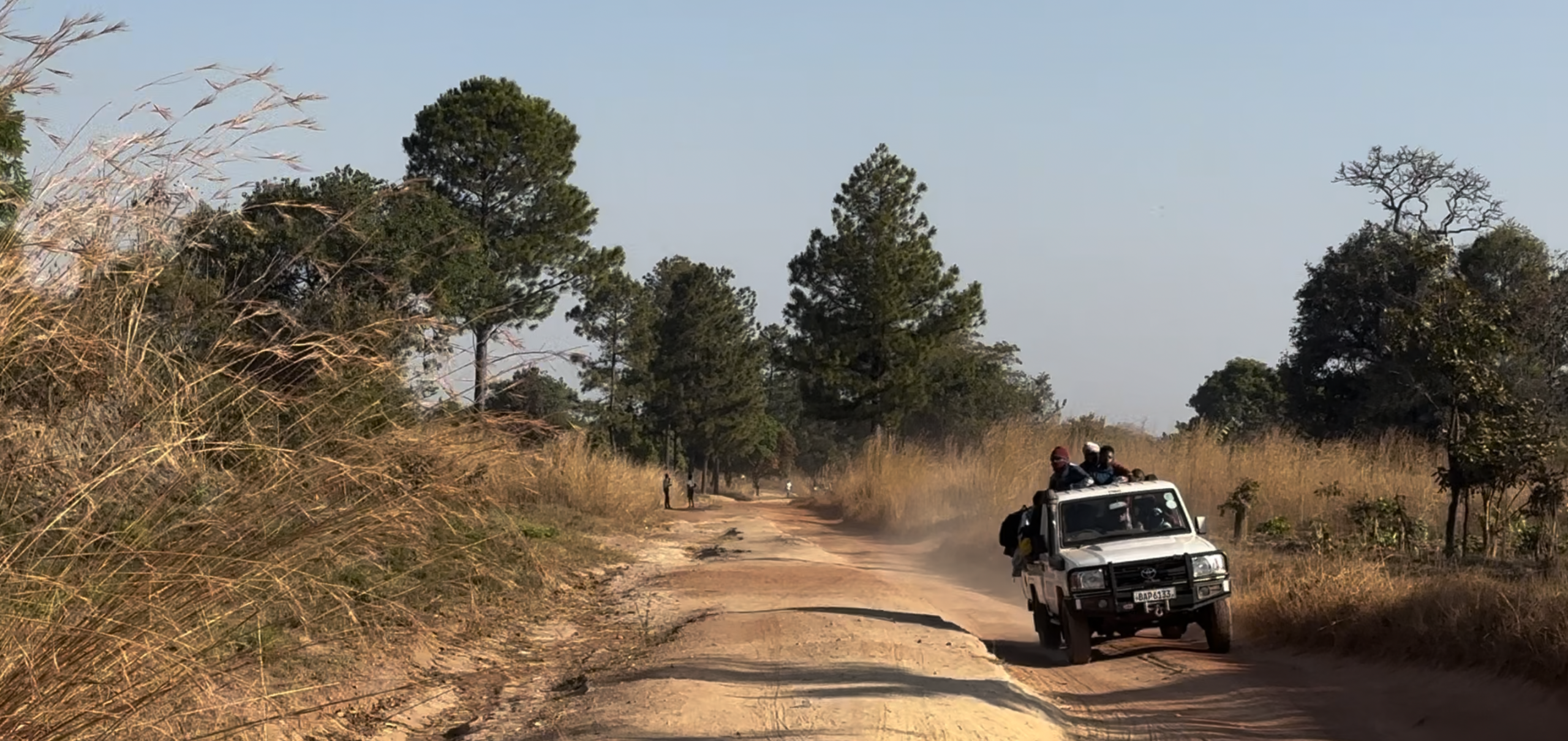
Then the next challenge came: the roads collapsed.
Several vehicles broke down at the same time due to erosion and heavy rains. Instead of stopping the distribution, the team began using motorcycles. The method was more expensive and far more demanding, but it worked. Supplies were transported trip after trip until every recipient had received what they were meant to receive.
The experience showed how crucial flexibility and local collaboration are in humanitarian work. At the same time, the motorcycle drivers and their families gained a new source of income.
When Aid Creates New Livelihoods
The impact of the project did not stop with the distributions themselves.
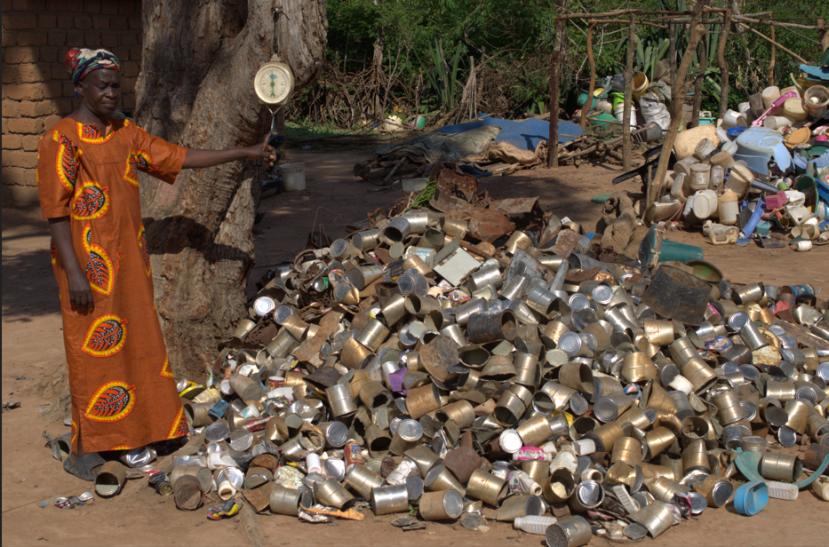
The empty cans from the food distributions quickly became a resource within the community. Women collected the cans and sold them to scrap dealers, while local blacksmiths used the metal to reinforce the handles of knives.
This provided small but important sources of income, while also bringing a health benefit. By collecting the cans, waste was reduced that could otherwise have become breeding sites for mosquitoes and increased the risk of malaria.
Women’s participation in this activity has also strengthened their economic independence and influence within the family, while challenging traditional gender roles.
Local Solutions Create New Opportunities
The community in Meheba has also shown a strong ability to create its own solutions. Empty food cans are collected and sold for recycling or used by local artisans. This provides small sources of income, reduces waste, and helps prevent malaria by removing potential mosquito breeding sites.
Many of those who collect the cans are women, which strengthens their economic independence and their role within the family.
The Impact of material support
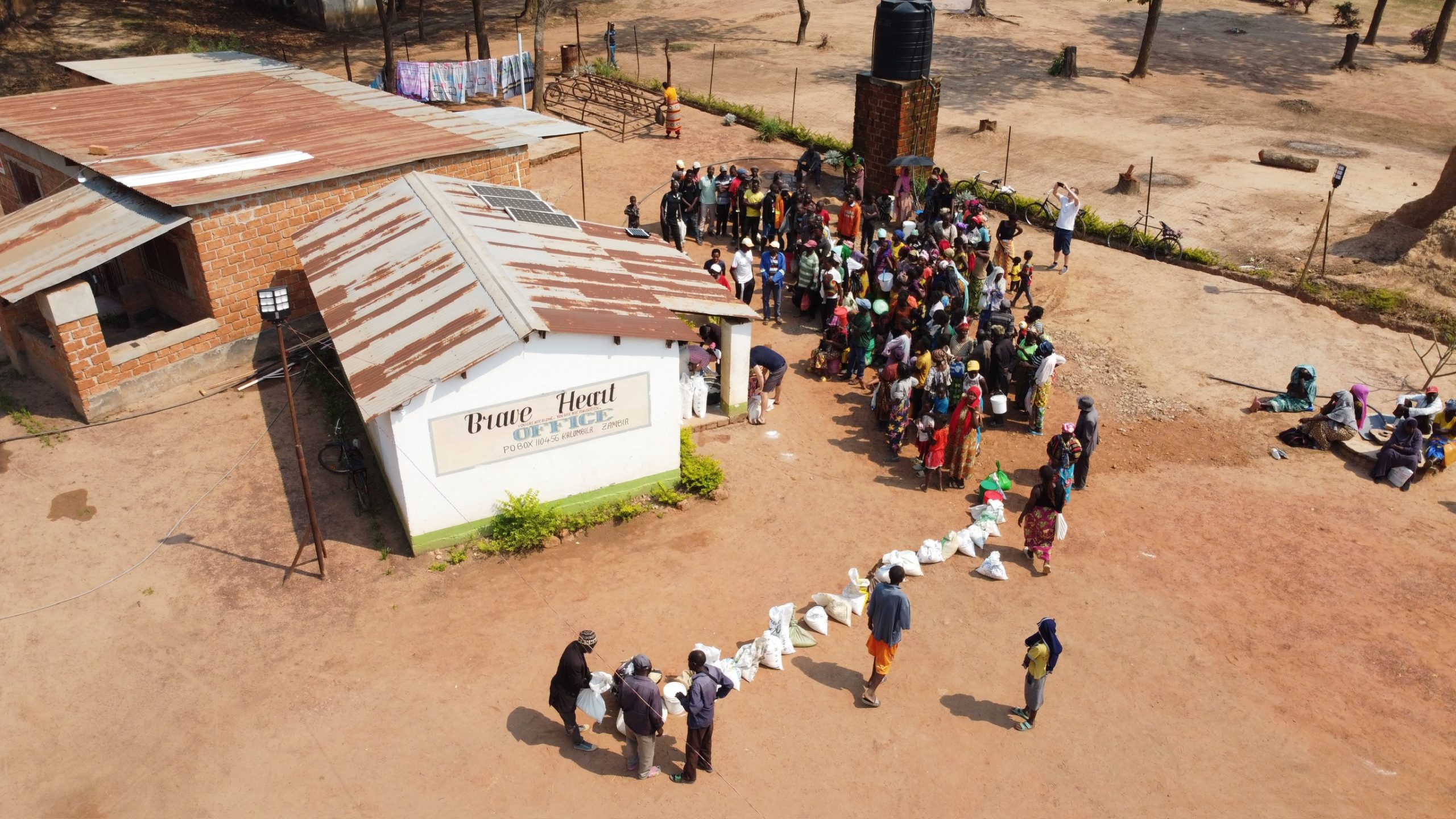
The distributed items have served more purposes than originally intended:
-
Blankets They are used both for warmth at night and as room dividers to create privacy in crowded shelters.
-
Canned meat Has improved nutrition and helped patients endure demanding medical treatment.
-
School kits Have made it possible for children to come to school prepared and have reduced conflicts with teachers.
-
Hygiene and Dignity Kits Have improved health, self-esteem, and quality of life, especially for women and new mothers.
-
Infant Care Supplies have helped protect newborns from illness and cold.
As many as 94 percent of participants reported that the food assistance was essential for their nutrition.
A Partnership That Builds the Future
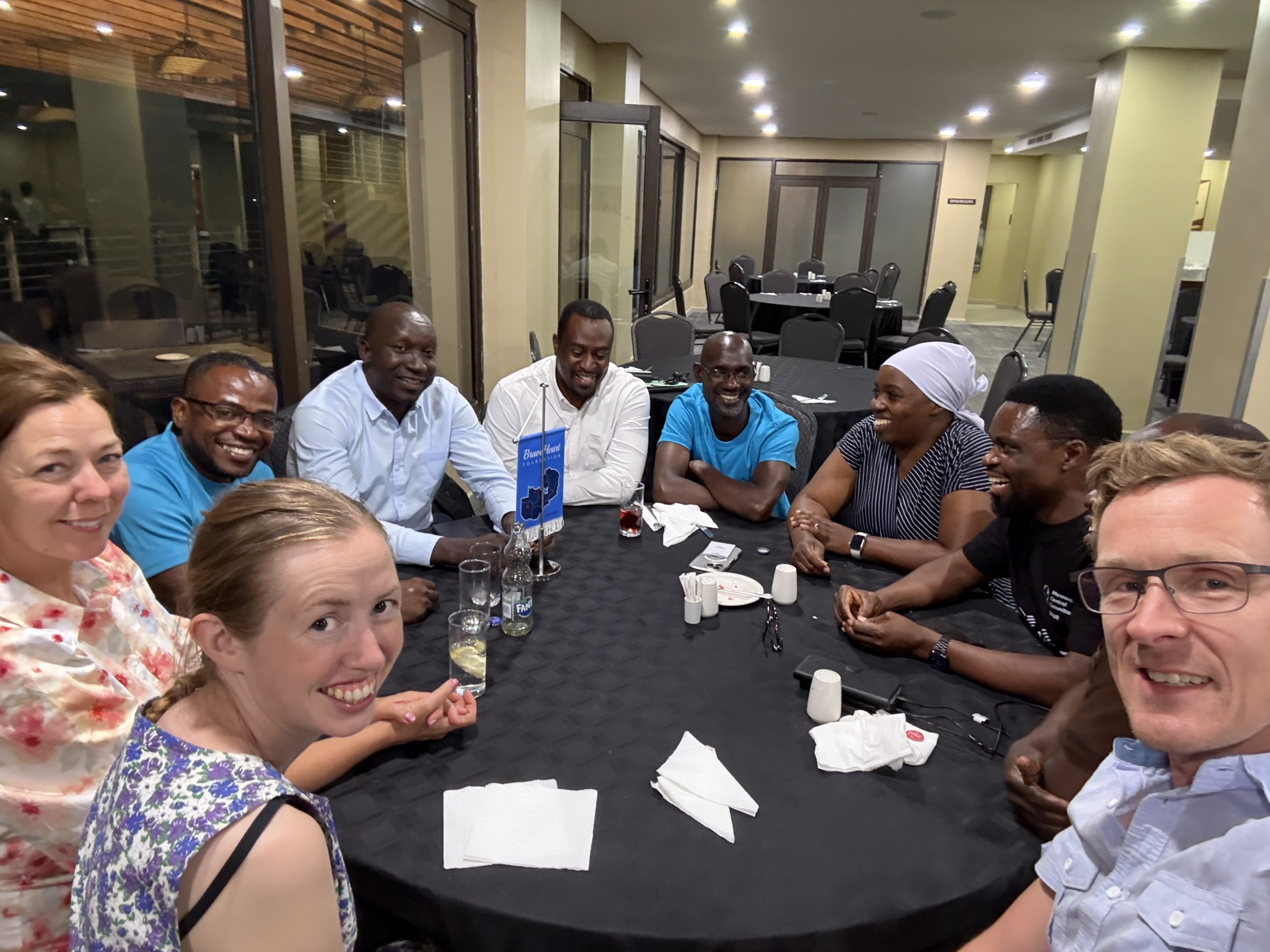
The collaboration between Brave Heart Foundation and MCC has not only been about delivering supplies, but about building capacity, learning, and long-term solutions. Field visits, training, close follow-up, and a strong focus on local knowledge have made the project more effective and better adapted to the realities in Meheba.
An important lesson is that refugees are not only recipients of aid. They are also active problem-solvers. They adapt, reuse, and create new opportunities based on what they have.
More Than Emergency Aid
The collaboration between Brave Heart Foundation and MCC is not only about distributing supplies, but about building capacity, strengthening communities, and learning along the way. Therefore, we are pleased to continue our partnership with MCC and to keep working to provide hope for life and a better future.
The experience from Meheba shows that refugees are not only recipients of aid. They are also active problem-solvers who adapt, reuse, and create new opportunities. For people like Anna, emergency assistance is a first step. The next is what she herself is calling for: the opportunity to stand on her own feet.
And perhaps this is where the project’s most important impact lies: in the transition from emergency assistance to lasting hope.


