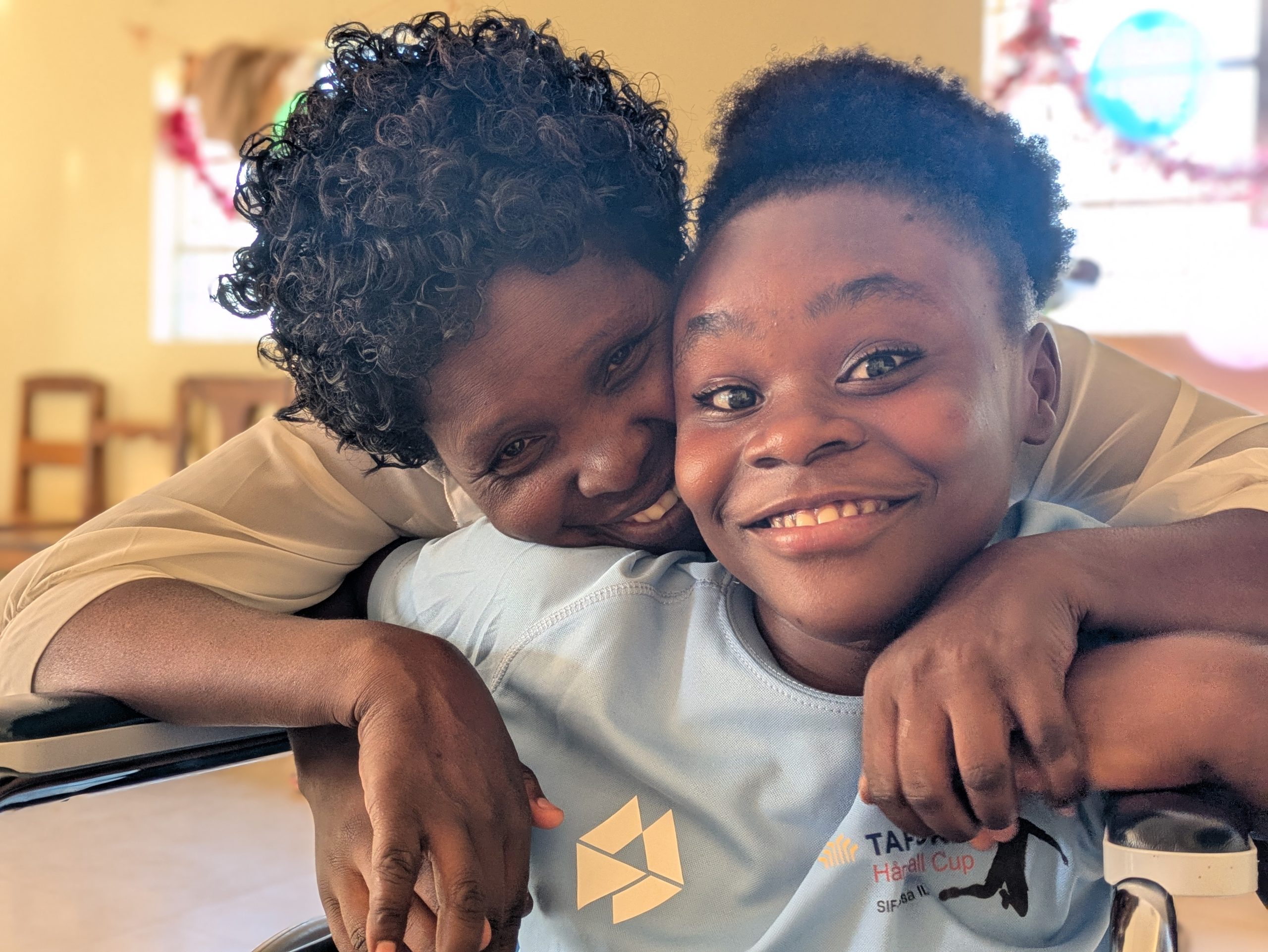
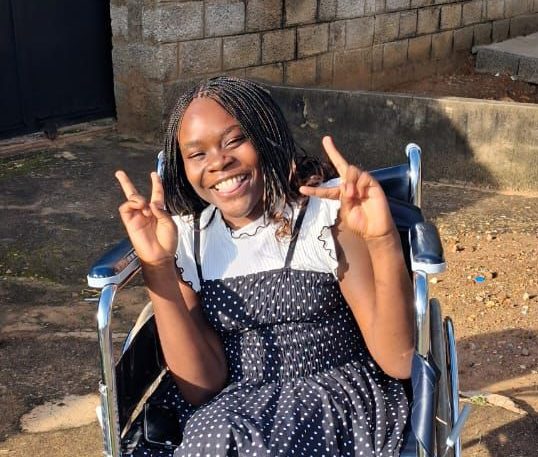
In Meheba refugee camp in Zambia, thousands of people live with experiences of war, displacement, and loss. On Road 99, one of the most remote areas of the camp, Luwiza was born.
Her family came from Rwanda. They had fled the violence of the 1990s and were trying to build a new life with what was available to them. Daily life was demanding, but her parents worked hard. They cultivated rice, fetched water, and did what they could to provide food and security for their children. When Luwiza was born healthy, she was a gift in the midst of uncertainty.
In her first months, she developed like other children. She learned to sit. She learned to stand. She took her first steps.
Then something began to change.
Then something began to change. Her parents noticed that she no longer used her legs as she had before. She fell more often. She sat down instead of walking. Gradually she lost the ability to carry herself. Eventually she could no longer walk at all. She began to crawl forward across the ground.
Based on the course of the illness and the clinical picture, it is likely that the paralysis was caused by poliomyelitis – polio. A viral disease that attacks the nervous system and can result in permanent paralysis. Globally, polio is now almost eradicated through vaccination programs. But where healthcare systems are weak and vaccine coverage incomplete, the disease still occurs. In refugee camps, where access to preventive healthcare is often limited, children are particularly vulnerable.
Her parents sought help. A trip to the nearest clinic could take an entire day on foot. There was little equipment there and no doctor. They did what they could. Like many others, they also sought traditional healers in hope of relief. Nothing helped.
Luwiza became increasingly isolated. When a child does not receive stimulation, language is also lost. Eventually she stopped speaking. She avoided eye contact. She withdrew into herself.
She sat on the earthen floor of the family’s hut while the other children played outside. She dragged herself across the ground and developed open sores on her legs. When her parents worked in the fields, she depended on her siblings. A small plastic cup of water stood beside her. A four-year-old brother tried to watch over her as best he could.
Her parents loved her. But they had few resources and no answers. In time, Luwiza became a silent child in a dark corner.
The Meeting That Changed Everything
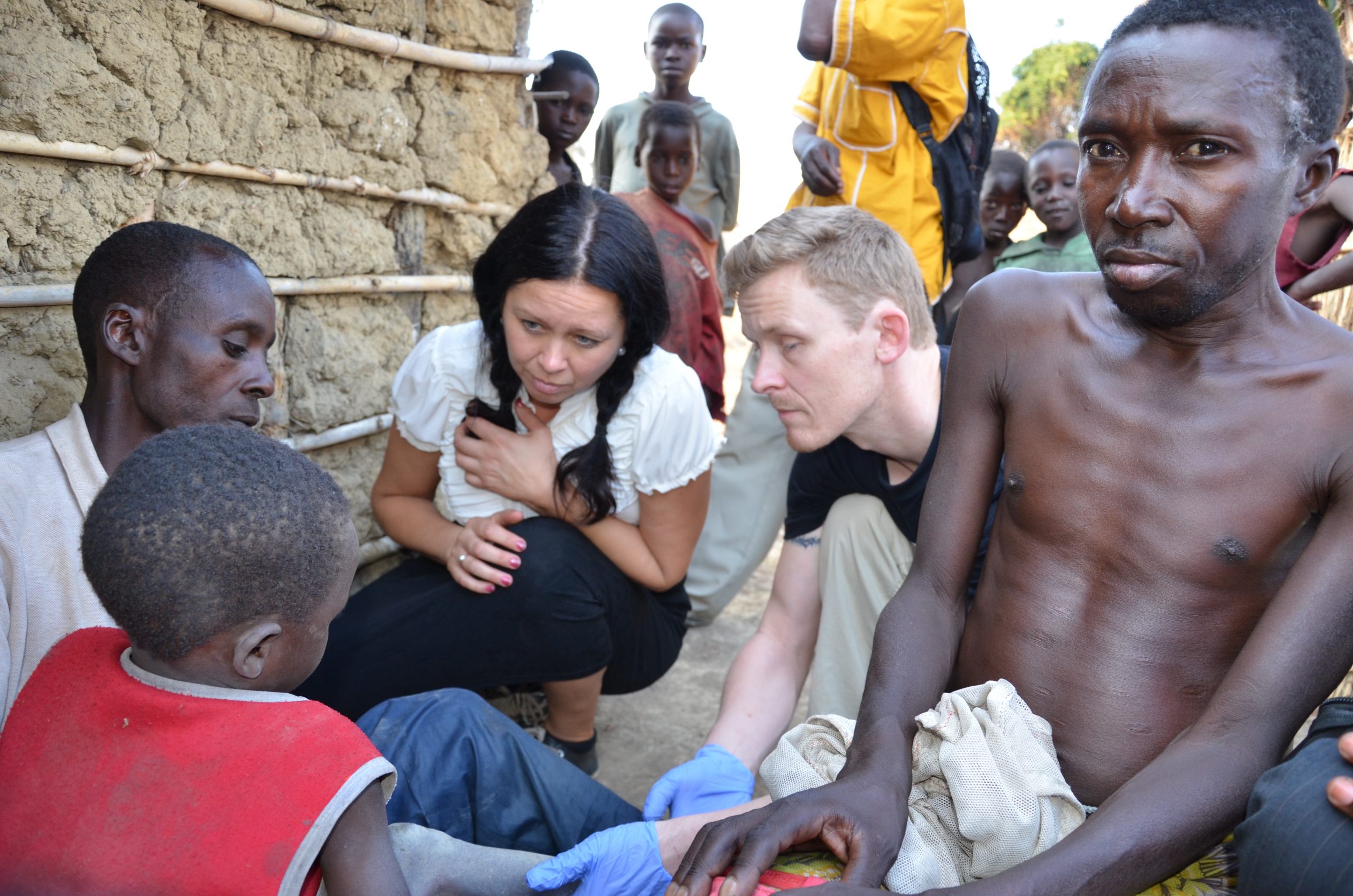
In November 2013, Luwiza ( 6 years ) was discovered by healthcare personnel visiting the area through the organization Refugee Alliance (today Brave Heart Foundation). They encountered a girl who did not speak, who would not lift her gaze, and who moved by dragging herself forward on the ground. She had open sores on her legs and scars on her back.
The situation was assessed as serious. The risk of infection was significant. Yet it was clear that this was not only about physical illness. It was also about isolation, lack of stimulation, and loss of hope.
The visits were repeated. Trust takes time. For a child who has experienced pain and fear, safety does not come immediately.
Then a turning point came.
One day, while she was being carried, she lifted her gaze – and smiled.
It was a small moment. But it was a sign of contact. A sign of life.
In dialogue with her parents, it was eventually discussed whether Luwiza could receive a more stable care arrangement with medical follow-up and daily support. It was a difficult decision. Entrusting the care of a child to others is never simple. But her parents wanted her to have a real opportunity.
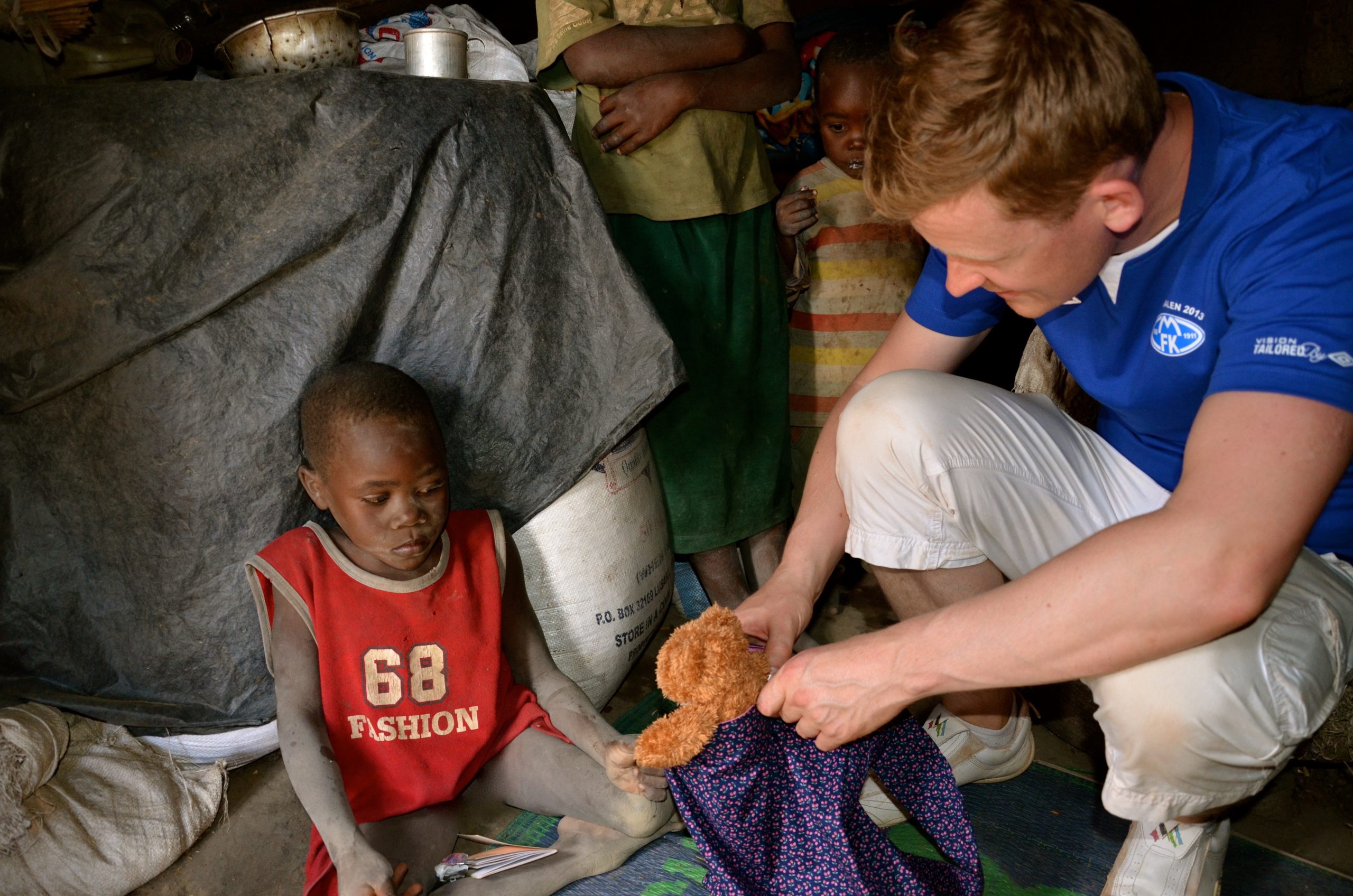
Brave Heart Foundation therefore established a safe home for Luwiza and other children in vulnerable situations. To make the transition less abrupt, her younger brother Apoli was allowed to move with her.
From Silence to Voice
In her new home, Luwiza received what she had previously lacked: stable care, nutrition, medical follow-up, and daily presence from adults who saw her.
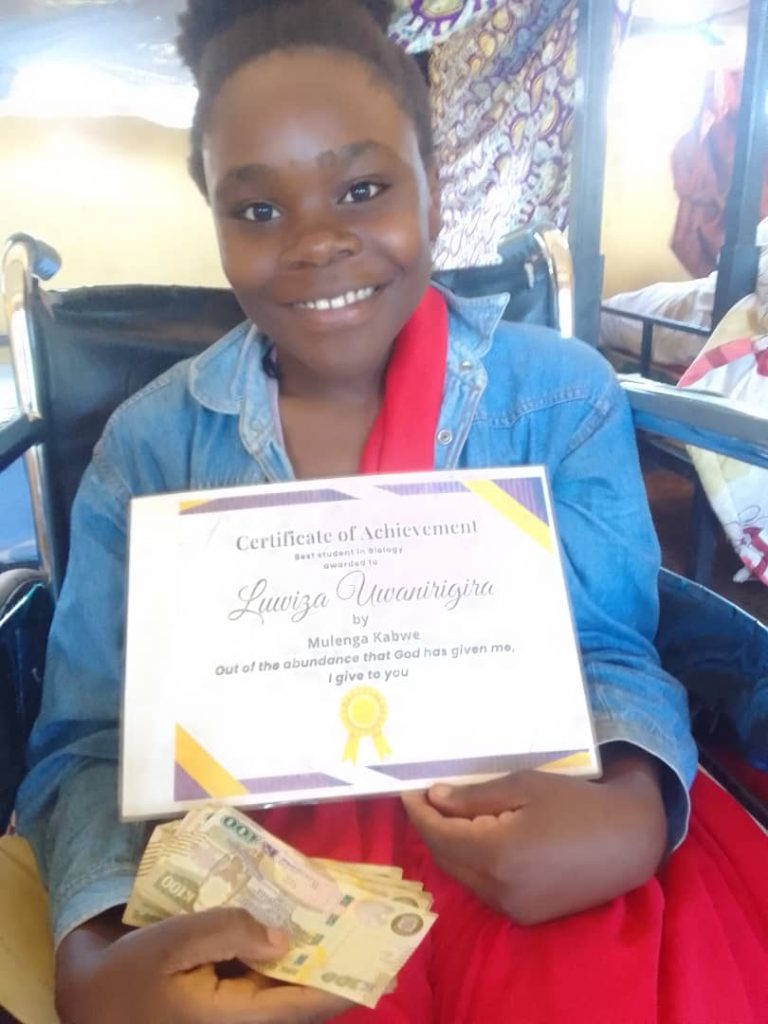
She received a wheelchair and was lifted off the ground. The sores healed. Her body was allowed to rest. She was spoken to – every day.
Gradually, the words returned.
She began to sing. She began to laugh. She made friends.
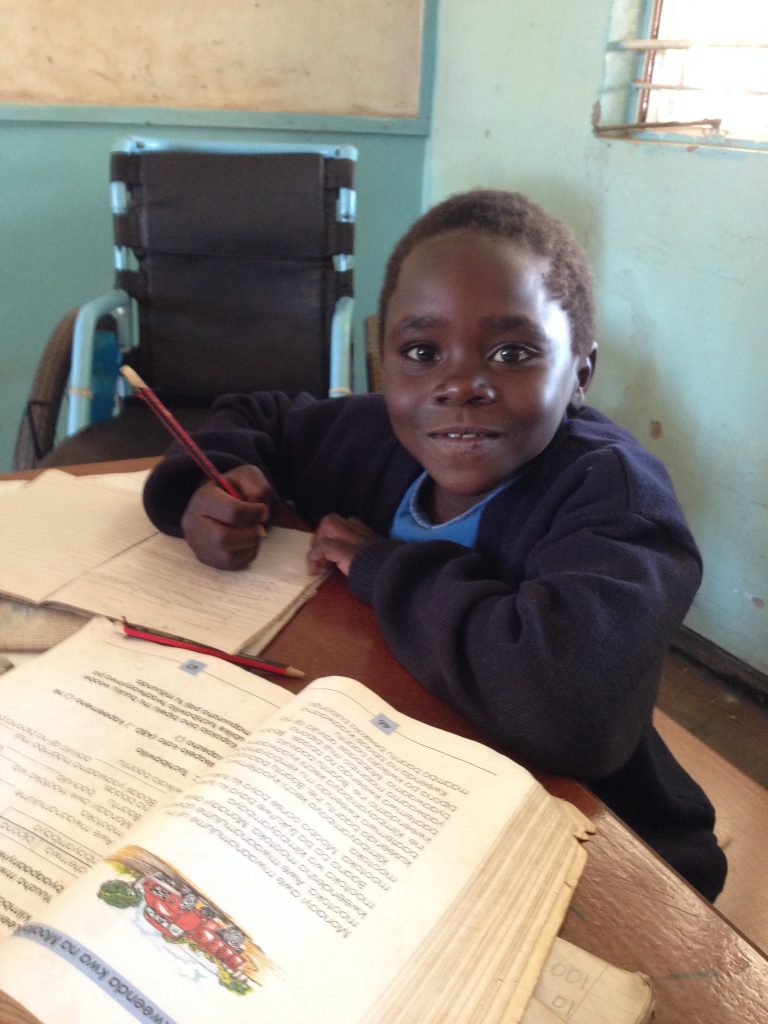
After three months, the change was evident. The girl who had once sat silent and withdrawn now participated actively in play and community. She began preschool at the Catholic center in the area. Later she was admitted to a special school in Solwezi for children with disabilities.
There she showed strong academic interest and perseverance. She often took a leadership role in the classroom. One year she was named the school’s best student.
For many years she said she wanted to become an accountant. Later she developed an interest in pharmacy.
In the autumn of 2025, Luwiza completed secondary school with strong results. She applied to several universities and received multiple offers of admission. She chose Lusaka.
What Luwiza’s Life Shows
Luwiza’s story is not only about illness and rescue. It is about what happens when a child receives long-term support, stable care, and access to education.
It is about parents who – within limited circumstances – wanted a different future for their child.
It is about sponsors and supporters who have faithfully contributed financially over many years.
It is about the fact that potential can lie hidden beneath layers of pain, fear, and neglect – and that it can flourish when conditions change.
Today, Luwiza is a young woman with education, ambitions, and a clear voice.
Her story reminds us that the value of a human being is never determined by their starting point. It is determined by inherent human dignity – and by the opportunities we give one another. And best of all, Luwiza’s story is not over. A new chapter has begun.